
The Evolution of Coworking Spaces in 2025
Coworking spaces have evolved from niche corners for freelancers into dynamic, technology-driven environments that attract a diverse range of professionals startups, remote teams, independent creatives, and even global corporations. As we progress through 2025, the coworking industry is undergoing a remarkable transformation, driven by shifting work patterns, wellness priorities, sustainability efforts, and a demand for flexibility.
Once seen as alternative workspaces, coworking environments are now becoming central to how we define the modern office. This shift was accelerated by the global rise of hybrid work. As more organizations adopt flexible models, the traditional office lease is being replaced by agile, cost-efficient coworking memberships. These spaces now function not just as places to work, but as productivity ecosystems designed for collaboration, innovation, and personal well-being.
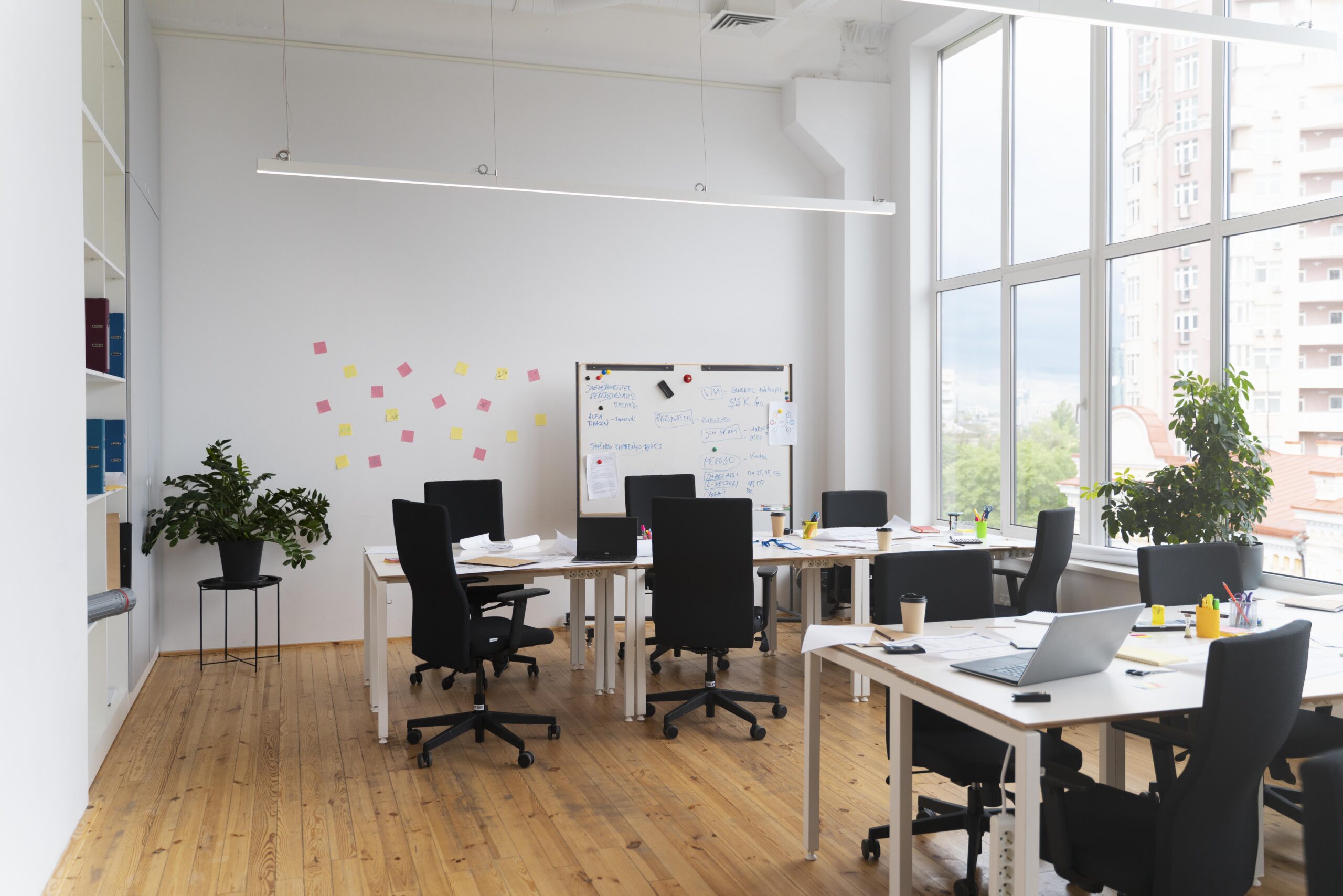
A major trend in today’s coworking industry is a focus on design that promotes health and creativity. Inspired by biophilic principles, many coworking spaces now include natural lighting, indoor plants, green walls, and ergonomic layouts. This design philosophy is more than aesthetic supports mental clarity, reduces stress, and significantly enhances productivity.
Wellness is no longer an afterthought. Coworking providers have started offering wellness zones, meditation pods, fitness studios, and healthy dining options. These features contribute to increased employee retention, lower absenteeism, and greater job satisfaction. For many professionals, choosing a coworking space isn’t just about a desk it’s about feeling better while working.
Technology also plays a crucial role in shaping the coworking landscape. In 2025, many coworking operators use cloud-based systems, IoT sensors, and AI-powered tools to optimize member experiences. Contactless check-ins, app-based desk bookings, automated billing, and even virtual tours using AR/VR are becoming commonplace. This blend of automation and personalization ensures a seamless experience for both individuals and enterprises.
Perhaps one of the most interesting shifts in coworking culture is the rise of specialization. We now see spaces tailored for creative professionals, tech startups, legal consultants, or wellness entrepreneurs. These niche environments offer curated resources, relevant networking opportunities, and a stronger sense of community something remote work often lacks.
Coworking spaces have also embraced sustainability as a core value. From energy-efficient lighting and recycled materials to green certifications and solar-powered infrastructure, these workspaces are helping businesses align with their environmental goals. This is not only ethically responsible it also attracts ESG-minded investors, clients, and employees.
There’s also a visible “hotelification” of workspaces. Modern coworking hubs are increasingly designed to resemble boutique hotels—with stylish lounges, barista stations, quiet zones, and art-inspired interiors. This trend acknowledges a broader cultural shift: people want workspaces that feel as comfortable and inspiring as their favorite coffee shop or home.
Interestingly, large corporations are now major players in the coworking space. Companies like Amazon and Airbnb maintain coworking presences to support their distributed teams. By doing so, they cut overhead costs while offering employees a flexible, empowering work environment. This is proof that coworking isn’t just a freelancer’s game anymore it’s becoming a global business strategy.
In the UAE and other rapidly developing regions, coworking spaces are leveraging the latest technologies to offer seamless management and premium experiences. These regions are seeing a surge in demand from digital nomads, startups, and multinationals alike, making them hotspots for coworking innovation.
What many people might not know is that coworking spaces are now implementing wellness certifications such as the WELL rating measuring air quality, lighting, water, and comfort. These metrics add a layer of trust and professionalism to the coworking experience, particularly for enterprises concerned with employee health.
As we look ahead, the future of coworking is deeply tied to broader societal values: sustainability, flexibility, community, and well-being. It’s not just about giving people a place to work it’s about helping them thrive while doing it. Whether you’re a startup founder, a creative professional, or part of a corporate team, the coworking revolution offers a dynamic environment that’s designed to grow with you.
Key Trends Shaping Coworking Spaces
1. Design-Driven & Biophilic Environments
These workspaces increasingly incorporate nature-inspired design—think indoor plants, lush green walls, ample natural lighting—to improve well-being, creativity, and productivity. Workers in such environments report up to a 15% increase in well-being and creativitykarmaworkspaces.com.
2. Flexibility as Standard
With hot-desking, modular furniture, and collapsible walls, coworking spaces offer flexibility that traditional offices can’t match. Companies save costs, while users enjoy the freedom to choose work settings that suit their needskarmaworkspaces.comDeskeo.
3. Wellness-First Amenities
Spaces now include meditation zones, relaxation pods, ergonomic lounges, fitness areas—even on-site wellness services. Enhanced employee retention, reduced absenteeism, and higher output are notable benefitskarmaworkspaces.comHeadspace Grouptechnologywithin.
4. Smart & Automated
AI chatbots, IoT sensors, contactless access systems, and energy-efficient climate controls are streamlining operations and customizing user experiences. Some spaces even leverage VR/AR for immersive collaboration and tourskarmaworkspaces.compolaroo.comspacebring.comHeadspace Group.
5. Sustainability Is Now Essential
From green certifications and solar panels to recycled furniture and waste reduction strategies, coworking operators are aligning with eco-conscious values and expectationsCoworkies Readers ClubMonkSpaces.AiNexudusLinkedIntechnologywithin.
6. Niche and Specialized Spaces
Coworking now caters to specific communities—like tech hubs, creative studios, or wellness professionals—allowing for environments that enhance productivity and belongingkarmaworkspaces.comHeadspace Group.
7. Value-Driven Hotelification
Many modern coworking spaces resemble hotel lobbies—with chic seating, café-type areas, and social zones. This “hotelification” enriches the user experience with communal, hospitality-driven touchesNexudus.
8. Widespread Hybrid & Enterprise Use
Hybrid work models are fueling demand: 73% of companies are expanding their flexible workspace usage. Large firms now lease coworking floors or memberships, turning these spaces into strategic hubs beyond startupsDeskeoLinkedIn.
9. Coworking Adoption in the UAE
In the UAE, coworking spaces are rapidly adopting cloud-based systems, AI management platforms, and biophilic design—creating seamless, supportive environments that enhance productivity and community for all types of professionalsThe CoWorking Spaces.
10. Automation & Data Insights
Operators are embracing automated billing, booking, membership access, and CRM systems. This not only removes administrative burdens but also improves member experiences through personalized offeringsCoworkies Readers Club.
Why Coworking Matters
- Boosts Wellness & Creativity: Thoughtful design—including natural light and greenery—improves both mental and physical well-being, which in turn enhances productivity.
- Offers Flexibility & Cost-Efficiency: Workplaces that adapt to day-to-day needs and worker preferences are cost-effective and appealing.
- Promotes Connection: Community-driven structures help reduce isolation while fostering professional networking and collaboration.
- Delivers Corporate Value: Hybrid-focused enterprises gain agility and innovation through coworking models.
- Meets Ethical Expectations: Sustainable designs attract ESG-minded individuals and organizations, reinforcing brand credibility.
- Benefits Operationally: Smart tech lowers cost, raises efficiency, and helps customize the space for each user.
- Legacy of the Traditional Office: Even though remote work is viable, coworking blends innovation with human connection—something remote setups often lackWIRED.
Insights You Might Not Know
- Hot-Desking’s Real Impact: Reduces workspace costs by up to 30%, making it especially potent in high-rent urban settingsWikipedia.
- WELL Ratings for Coworking: New industry benchmarks like the WELL Coworking Rating emphasize health, air quality, and sustainabilitytechnologywithin.
- ‘Hotelification’ Cultural Shift: Workplaces now adopt more social and lifestyle-oriented design—reflecting work as a holistic life experienceNexudus.
- Corporate Collabs: Major brands (e.g., Amazon, Airbnb) now maintain coworking presences, highlighting these spaces’ appeal beyond SMEsLinkedIn.
Looking Forward
The coworking model thrives on adaptability, ethics, technology, and humanity. Going forward, expect further innovation in wellness, smarter tech integrations, deeper sustainability, and bespoke communities. Whether you’re freelancing, building a startup, or leading teams, coworking offers a forward-thinking workspace that’s as dynamic as your work itself.